


Why High Achievers Feel So Anxious (Even When They’re Doing Well)
High-functioning anxiety often hides behind success. Learn why high achievers feel overwhelmed—and how to break the cycle of pressure and burnout.
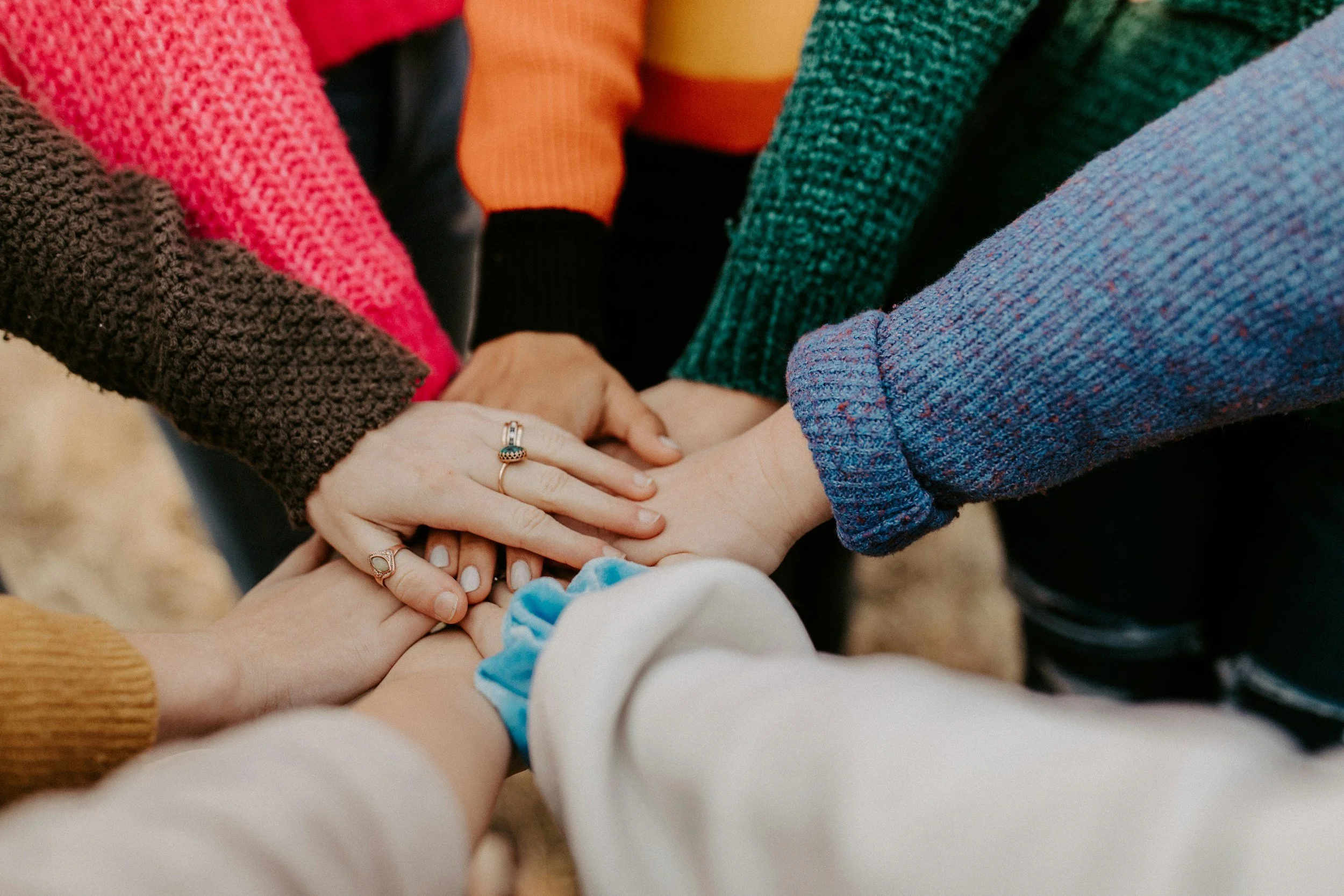
How Social Identity and Intersectionality Affect Mental Health Support
Help-seeking is shaped by identity, culture, and systemic context. This clinically informed article explores how intersectionality affects individuals, families, and couples navigating support, including teens, young adults, athletes, and LGBTQ+ individuals. Drawing from systems theory, attachment, and developmental psychology, it highlights how past experiences, societal pressures, and cultural expectations influence comfort with asking for help.
Readers will gain insight into individual factors, family dynamics, and relational systems that can either facilitate or impede support. Strategies include creating safe spaces for communication, modeling vulnerability, and using structured reflection exercises. Case examples illustrate realistic scenarios, such as blended families establishing weekly check-ins, couples negotiating emotional support, and young adults navigating identity-based challenges.
Written by a Marriage and Family Therapy graduate student in Colorado, this post emphasizes that difficulty seeking help often reflects adaptive responses to social and systemic pressures, rather than personal shortcomings. Practical exercises guide readers in developing self-awareness, fostering relational safety, and practicing help-seeking skills. This post is educational and relevant to Colorado residents seeking to enhance resilience, strengthen relationships, and navigate support systems thoughtfully.
Educational content only; not a substitute for therapy.

How to Ask for Help Without Feeling Overwhelmed
Why asking for help can feel overwhelming is often less about personal weakness and more about identity, relationships, and the social systems we inhabit. This clinically informed article explores why help-seeking can be challenging for individuals, families, and couples, including teens, young adults, athletes, and LGBTQ+ individuals. Drawing from attachment theory, developmental psychology, and family systems theory, it examines how past experiences, family dynamics, societal pressures, and intersectional identities shape the ability to reach out for support.
Readers will learn practical strategies for asking for help safely, including starting with low-stakes requests, choosing trusted and consistent support systems, and separating personal worth from need. Families and couples can explore tools for creating safe communication spaces, modeling help-seeking behaviors, and co-creating relational safety. Reflection prompts and case examples offer actionable ways to practice these skills in daily life, including navigating cultural expectations, gender norms, and the unique pressures experienced in athletic, academic, or LGBTQ+ contexts.
Written by a Marriage and Family Therapy graduate student in Colorado, this post balances clinical insight with personal reflection. It emphasizes that difficulty asking for help is often an adaptive response to past experiences or systemic pressures, and that help-seeking is a skill that can be developed over time. This article is educational and intended for anyone exploring ways to enhance self-awareness, build supportive relationships, and practice effective help-seeking strategies in a variety of life contexts.