

How Social Identity and Intersectionality Affect Mental Health Support
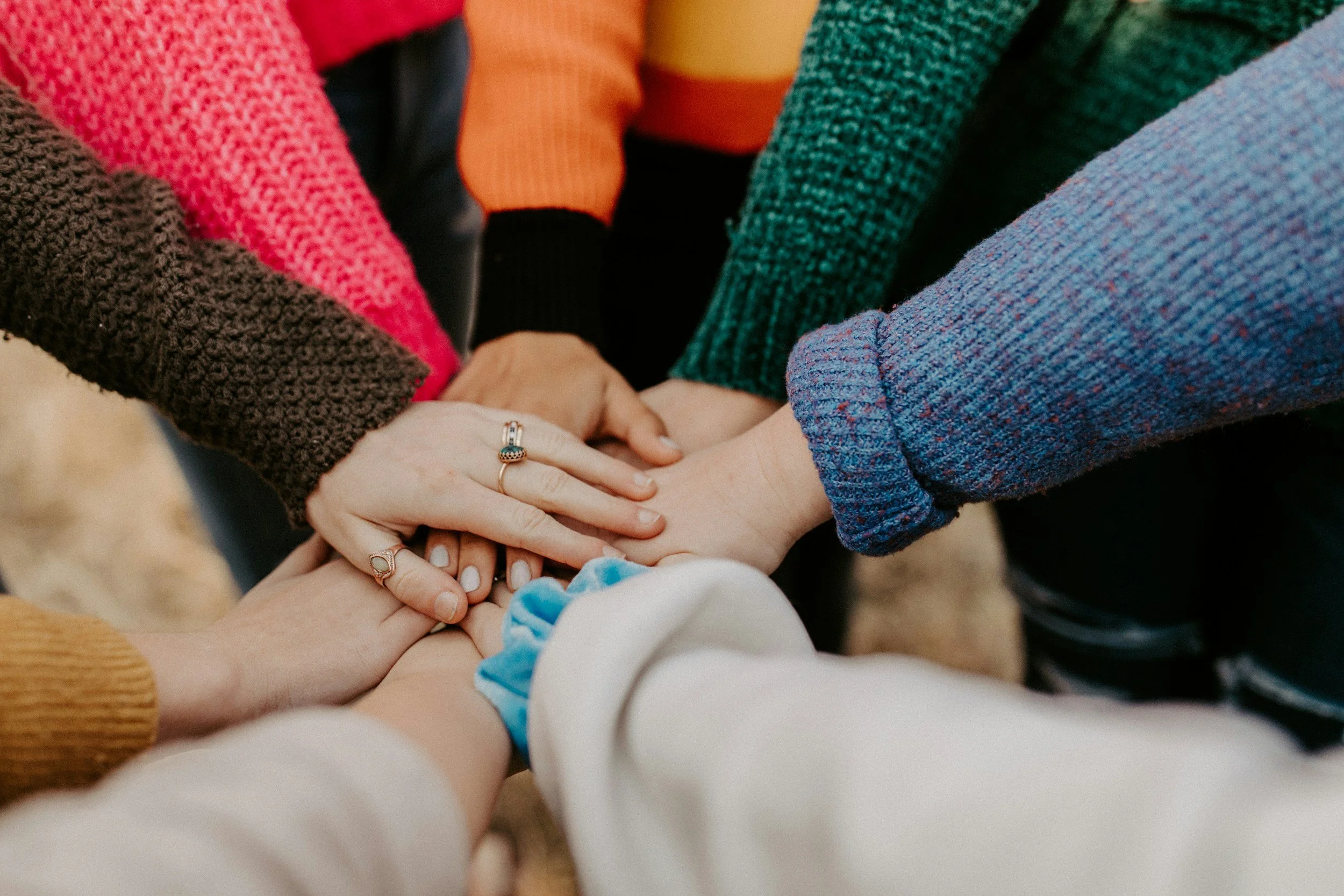
Asking for help doesn’t happen in isolation. Our ability to seek support is influenced not only by individual factors but also by social context, identity, culture, and systemic pressures. For teens, young adults, athletes, LGBTQ+ individuals, POC, minorities, families, and couples, these dynamics can shape how comfortable, safe, or supported asking for help feels.
This article explores how social identity and intersectionality intersect with help-seeking, offers practical reflection exercises, and provides strategies for navigating support systems thoughtfully.
Understanding Intersectionality in Mental Health
Intersectionality refers to how multiple social identities—race, gender, sexual orientation, socioeconomic status, disability, and culture—interact to shape experiences of privilege and marginalization. Clinically, intersectionality helps explain why asking for help can be harder for some people: past experiences of invalidation, stigma, or discrimination influence expectations about safety and responsiveness.
For example:
A college student of color may hesitate to ask for help if prior experiences with authority figures felt dismissive or biased.
LGBTQ+ individuals may worry that revealing personal struggles will lead to misunderstanding or judgment.
Families navigating cultural expectations may discourage vulnerability or prioritize independence, making requests for support feel risky.
Recognizing intersectionality allows individuals, families, and couples to see help-seeking challenges as adaptations rather than personal failings.
Individual Considerations
At the individual level, identity and social context shape comfort with vulnerability. Clinically speaking, individuals who have experienced repeated invalidation, microaggressions, or systemic barriers may
Delay asking for help
Avoid disclosing certain struggles
Internalize societal pressures to appear competent or resilient
Reflection Exercise: Write about situations where your identity influenced your willingness to seek support. What patterns do you notice?
Family Dynamics and Cultural Context
Families are systems where cultural expectations, communication patterns, and intergenerational beliefs strongly influence help-seeking. Strategies for families include
Creating safe spaces for communication: Structured check-ins or “support agreements” can normalize asking for help.
Modeling vulnerability: Caregivers and family members can demonstrate that requesting support is acceptable.
Discussing cultural values openly: Conversations about independence, gender norms, and relational roles help family members understand each other’s expectations.
Example: A blended family navigating school stress establishes a weekly check-in where teens and parents share challenges and requests for help without judgment.
Couples and Relational Safety
In partnerships, intersectional and systemic pressures also influence help-seeking. Partners may face
Gendered expectations (“I should manage this myself”)
Cultural or religious norms regarding independence or emotional expression
Previous experiences of conflict or invalidation
Strategies for couples:
Use neutral, descriptive language when expressing needs
Co-create boundaries and expectations for support
Start with smaller requests before sharing more vulnerable concerns
Example: A young couple negotiates emotional support after one partner experiences academic stress, using structured language to avoid blame and foster safety.
Colorado-Specific Context
In Colorado, access to mental health support can vary based on location, insurance, and availability of culturally competent providers. Urban areas may have more resources, while rural areas may have fewer options, highlighting the importance of creative help-seeking strategies and telehealth resources. Awareness of these contextual factors supports realistic planning and fosters resilience.
Reflection and Skills Practice
Identify how your social identities influence your comfort with asking for help.
Notice patterns in family or couple communication that make support easier or harder to request.
Experiment with structured exercises (check-ins, low-stakes requests) in safe contexts.
By understanding systemic and intersectional influences, individuals, families, and couples can approach help-seeking more thoughtfully and reduce shame or fear.
Conclusion
Intersectionality and social context shape help-seeking in profound ways. Recognizing these influences and practicing reflection, structured communication, and safe support strategies empowers individuals, families, and couples to navigate mental health support more effectively.
This topic connects closely with navigating overwhelm and building resilience. You may find additional strategies on my Therapy for Feeling Stuck or Overwhelmed page or learn more about my approach on the About page.
This article is for educational purposes and is not a substitute for mental health treatment. Colorado residents seeking therapy should consult licensed or supervised clinicians.